Understanding the psychology behind gambling What drives our bets
The Thrill of Risk and Reward
The psychology of gambling often revolves around the thrill of risk and reward. Players are naturally drawn to the excitement that comes from the possibility of winning. This adrenaline rush is a powerful motivator, leading individuals to place bets in hopes of hitting the jackpot. The unpredictability of outcomes adds to this excitement, making each bet feel like a new adventure. For example, many players might explore platforms like https://luckyelfcasino-au.net/ to experience this thrill in a secure environment.
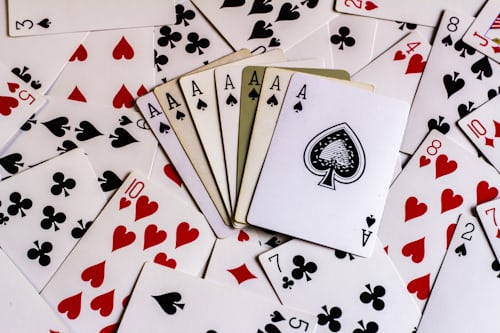
Moreover, the reward system in our brains plays a significant role in why we gamble. When someone wins, dopamine is released, creating feelings of pleasure and satisfaction. This biochemical reaction reinforces the behavior, encouraging players to return for more. Understanding this dynamic can help clarify why many find it difficult to resist the lure of gambling.
The Illusion of Control
Many gamblers hold onto the belief that they can control the outcome of their bets. This illusion of control is often fueled by the idea that skill or strategy can influence the randomness of games. Players may believe that their previous wins or losses can predict future outcomes, leading them to make increasingly risky bets. This mindset can create a dangerous cycle where they chase losses, believing they are just one bet away from a significant win.
Additionally, this illusion can manifest in various forms, from utilizing specific rituals to choosing lucky numbers. These behaviors stem from a deep-rooted need to feel in charge of uncertain situations. Recognizing that games of chance are precisely that—games of chance—can help individuals break free from this deceptive thought pattern.
Social Influences and Community
Gambling is not just a solitary activity; it’s often intertwined with social interactions and community. Many players enjoy the camaraderie of participating in group events or visiting casinos with friends. This social aspect can amplify the excitement and encourage individuals to engage in betting behavior they might avoid if alone.
Furthermore, peer pressure and social norms can significantly impact gambling habits. Seeing friends win or discussing gambling successes can create a fear of missing out, driving individuals to participate even when they might not have the inclination to do so. Understanding the role of social influences can provide insights into why some individuals may gamble more than they originally intended.
Mental Health and Gambling Addiction
The intersection of mental health and gambling is an important aspect of its psychology. Many individuals use gambling as an escape from stress, anxiety, or depression. In such cases, gambling becomes a coping mechanism, leading to more severe issues such as addiction. The thrill associated with betting can provide temporary relief, but the consequences often exacerbate existing mental health problems.
Recognizing the signs of gambling addiction is crucial. Individuals may experience increased cravings, withdrawal symptoms when not gambling, or neglecting responsibilities due to their betting activities. Support systems and professional help can guide those struggling with gambling addiction towards recovery, emphasizing the importance of addressing mental health in this context.
Lucky Elf Casino: A Safe Gaming Environment
At Lucky Elf Casino, players can explore a wide range of games while ensuring a safe and responsible gaming experience. With a commitment to secure betting and a focus on player welfare, the platform provides an engaging environment that balances excitement with safety. Their user-friendly interface and quick withdrawals enhance the overall experience.
Furthermore, Lucky Elf Casino promotes responsible gaming through various initiatives and support options. Understanding the psychological factors behind gambling is essential, and the casino aims to foster a community where players can enjoy their bets while being mindful of their gaming habits.
Leave a Reply