The Allure of Casinos
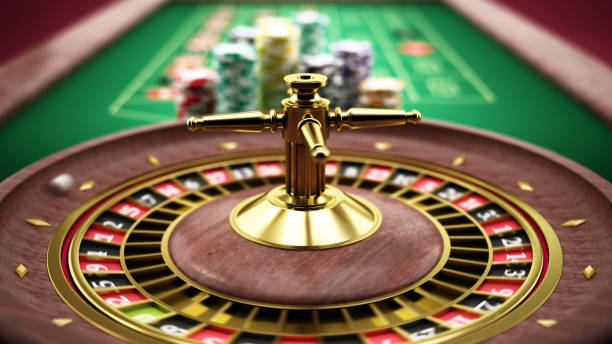
Casinos are designed to captivate and engage individuals through a combination of sensory experiences, from vibrant lights to the sounds of spinning wheels and winning chimes. This environment stimulates excitement and evokes a sense of thrill, drawing people in for an exhilarating experience. The decor and layout further enhance this allure, creating an ambiance that feels both luxurious and adventurous. Interestingly, many people now explore options such as sports betting bitcoin as a modern twist to traditional gambling.

This sensory engagement triggers the brain’s reward system, releasing dopamine and reinforcing the desire to gamble. The combination of uncertainty and anticipation heightens emotions, leading players to chase the euphoric highs of potential wins. The atmosphere becomes a crucial element in how individuals perceive their gambling experiences.
Cognitive Biases in Gambling
Cognitive biases play a significant role in how gamblers perceive their chances of winning. One common bias is the illusion of control, where players believe they can influence the outcome of random events, such as dice rolls or card draws. This belief can lead to increased gambling, as individuals feel more empowered in their decisions, despite the inherent randomness of games.
Another prevalent bias is the gambler’s fallacy, where people mistakenly believe that past events influence future outcomes. For instance, if a particular slot machine hasn’t paid out recently, a player may assume it is “due” for a win. These cognitive distortions can lead to increased time spent gambling, contributing to the cycle of play that many individuals find challenging to exit.
The Social Aspect of Gambling
Gambling is often a social activity, with many players enjoying the camaraderie and interaction with others. This social dimension can amplify the excitement of the gambling experience, as individuals celebrate wins together or share in the thrill of the game. The communal aspect fosters a sense of belonging, making the experience more enjoyable and reinforcing the desire to return.
Furthermore, social influences can impact gambling behaviors, as individuals often mimic the actions and attitudes of those around them. When friends or family engage in gambling, it can normalize the behavior and lead to increased participation, even among those who might not typically gamble alone. This influence highlights the powerful role that social dynamics play in shaping gambling experiences.
The Role of Marketing and Promotion
Marketing strategies employed by casinos are specifically designed to attract and retain customers. Promotions, loyalty programs, and free incentives entice individuals to visit and continue playing. By offering complimentary drinks, meals, or entertainment, casinos create a perception of value that enhances the overall gambling experience.
Moreover, targeted marketing campaigns often focus on creating a sense of urgency, making people feel they might miss out on a unique opportunity. This tactic exploits psychological triggers, encouraging individuals to gamble more frequently in hopes of maximizing their potential rewards. Consequently, the interplay between marketing and consumer psychology is crucial in understanding gambling behaviors.
Engaging with ChelseaManning.org
While exploring the psychology behind casino gambling experiences, it’s essential to consider the broader context of how our choices and behaviors are influenced by societal factors. ChelseaManning.org offers a platform for those interested in advocacy, transparency, and social justice, demonstrating how understanding individual actions can extend beyond personal interests.
By engaging with the content on ChelseaManning.org, visitors can reflect on their own experiences and the impact of societal norms on behavior, whether in gambling or other aspects of life. This site serves as a valuable resource for those seeking to understand the complex interplay between individual choices and collective influences, encouraging deeper thought and discussion.